
 En
En

Dry vs Wet Wire Drawing: Aling Proseso ang Dapat Mong Gamitin?
Dry vs Wet Wire Drawing: Aling Proseso ang Dapat Mong Gamitin?
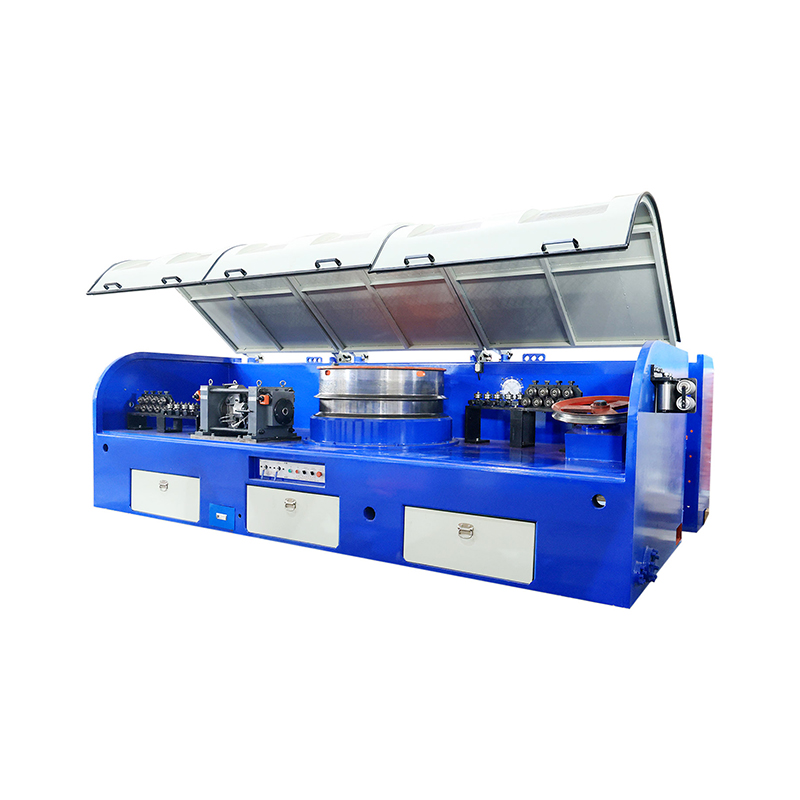
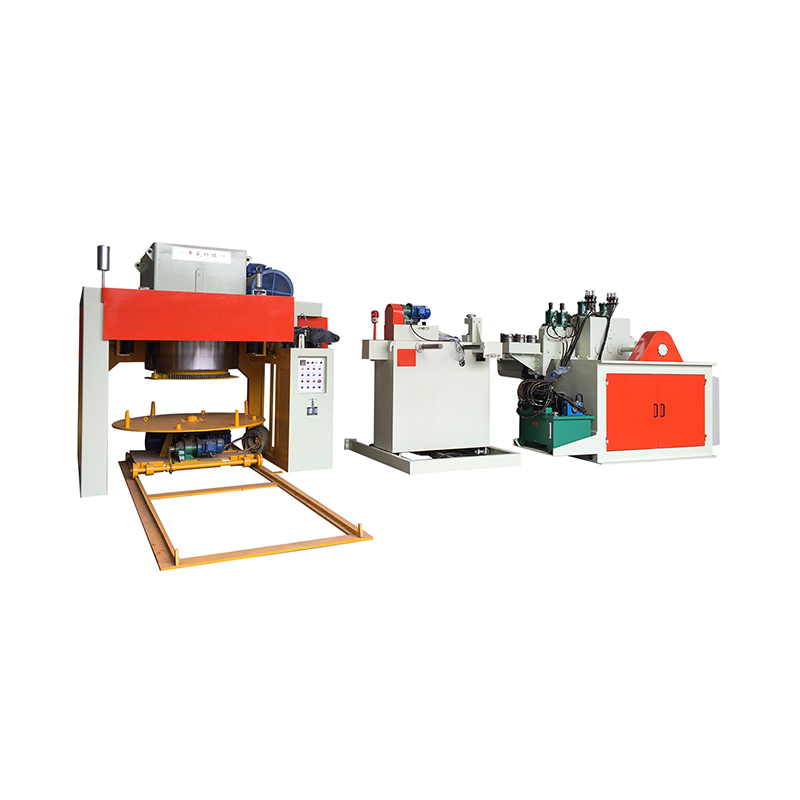
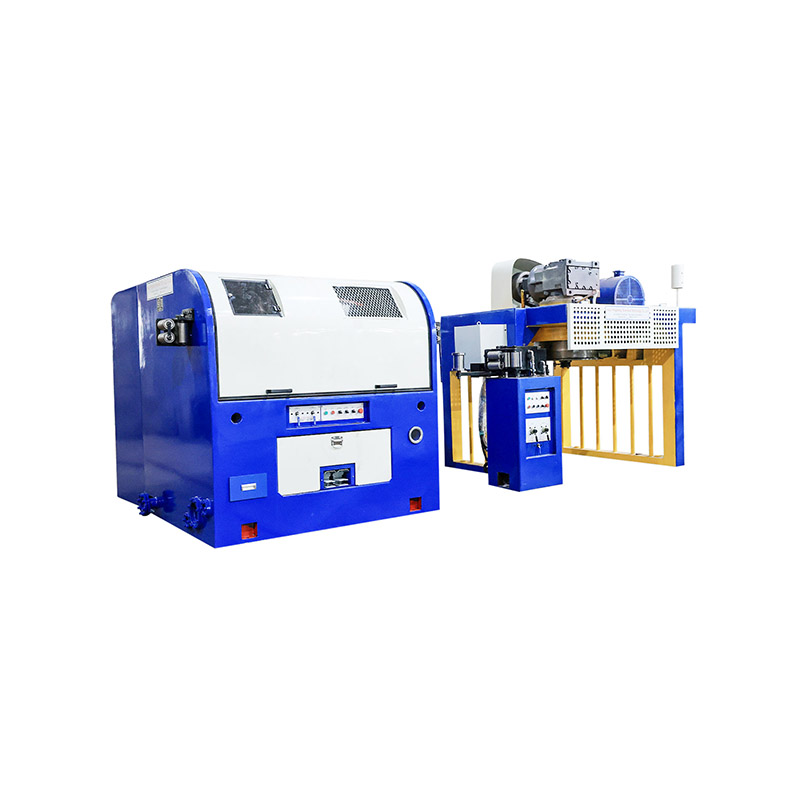
Ang pagguhit ng wire ay isa sa mga pinakapangunahing proseso ng paggawa ng metal sa pagmamanupaktura — paghila ng metal rod o wire sa isang serye ng unti-unting maliliit na dies upang bawasan ang diameter nito, pagbutihin ang mga mekanikal na katangian nito, at makamit ang mga tumpak na dimensional tolerance. Ngunit ang pagguhit ng wire ay hindi isang solong pare-parehong proseso. Ang dalawang pangunahing pamamaraan — dry drawing at wet drawing — ay malaki ang pagkakaiba sa kung paano inilalapat ang lubrication, kung anong mga wire diameter ang kanilang pinangangasiwaan, anong surface finish ang ginagawa nila, at kung anong kagamitan at mga gastos sa pagpapatakbo ng kinasasangkutan nila. Ang pagpili sa maling proseso para sa isang partikular na aplikasyon ay humahantong sa mga depekto sa ibabaw, pagkasira ng die, pinababang bilis ng produksyon, at natapos na wire na hindi nakakatugon sa mga detalye. Ipinapaliwanag ng gabay na ito ang parehong mga proseso sa praktikal na mga termino at binabalangkas kung paano matukoy kung alin ang tama para sa iyong mga kinakailangan sa produksyon.
Paano Gumagana ang Wire Drawing
Bago ihambing ang dalawang proseso, ito ay hindi bababa sa pagtatatag kung ano ang kasangkot sa pagguhit ng wire sa isang pangunahing antas. Ang isang metal rod o wire — karaniwang gawa sa bakal, tanso, aluminyo, o iba pang ductile metal — ay hinihila sa isang die na may tapered na siwang na mas maliit kaysa sa papasok na diameter ng wire. Habang dumadaan ang wire sa die, nababawasan ito sa cross-section at pinahaba. Ang pagbabawas na ito ay nagpapataas ng tensile strength sa work hardening, nagpapabuti sa surface finish, at nakakamit ng mahigpit na dimensional tolerance na hindi kayang gawin ng hot-rolling o casting.
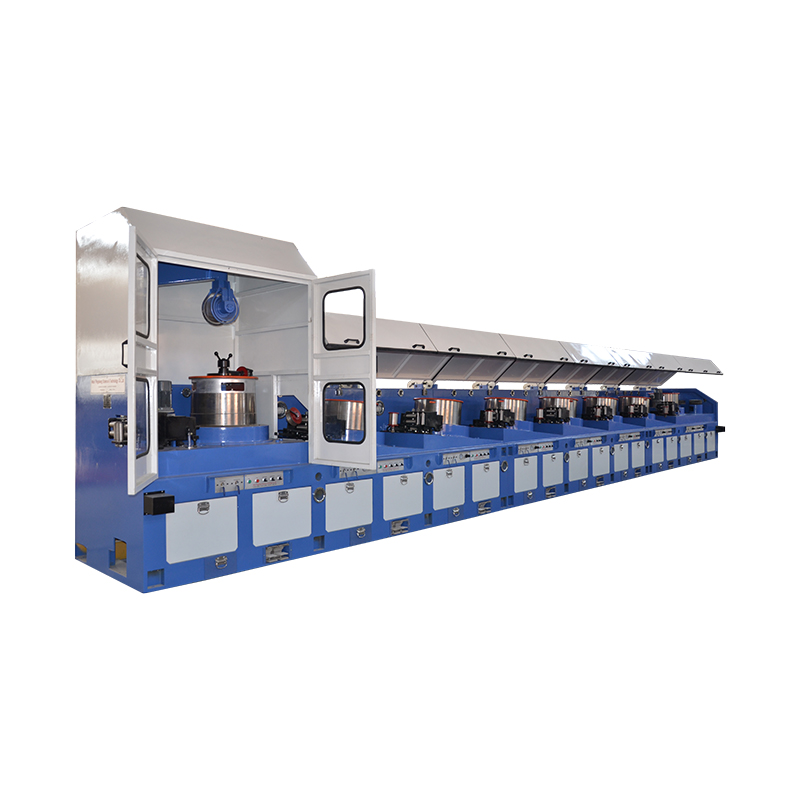
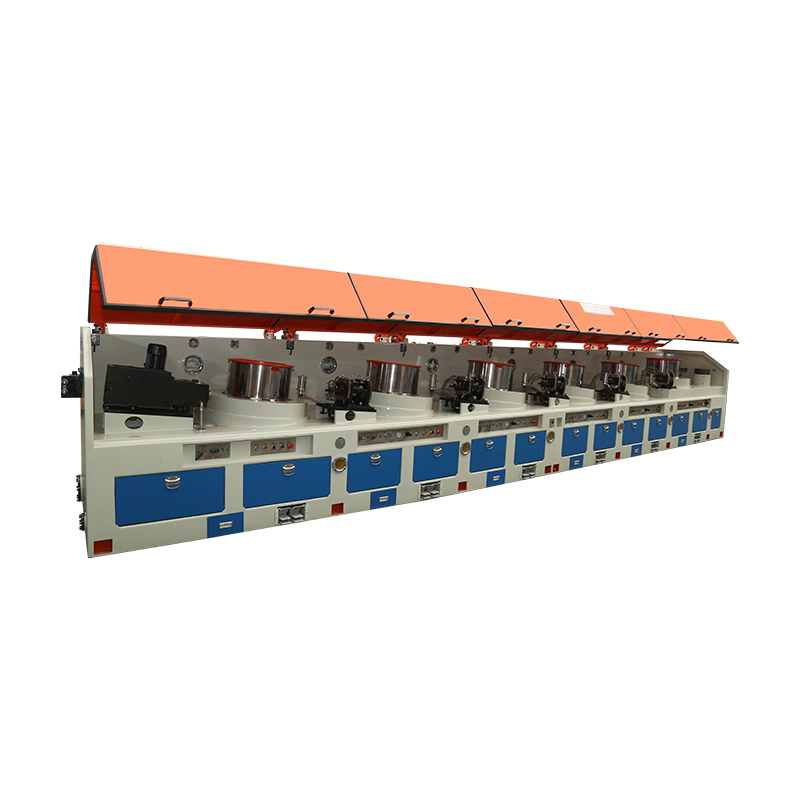
Sa pang-industriya na kasanayan, ang wire ay bihirang nabawasan sa huling diameter nito sa isang solong pass. Ang mga multi-die drawing machine ay humihila ng wire sa isang sequence ng mga dies sa isang tuloy-tuloy na operasyon, na ang bawat die ay gumagawa ng isang kinokontrol na incremental reduction. Ang porsyento ng pagbawas sa bawat pass, ang anggulo ng die, ang bilis ng pagguhit, at kritikal — ang paraan ng pagpapadulas — lahat ay tumutukoy sa kalidad ng natapos na wire at ang buhay ng serbisyo ng mga dies. Dito naghihiwalay ang tuyo at basa na pagguhit.
Ano ang Dry Wire Drawing?
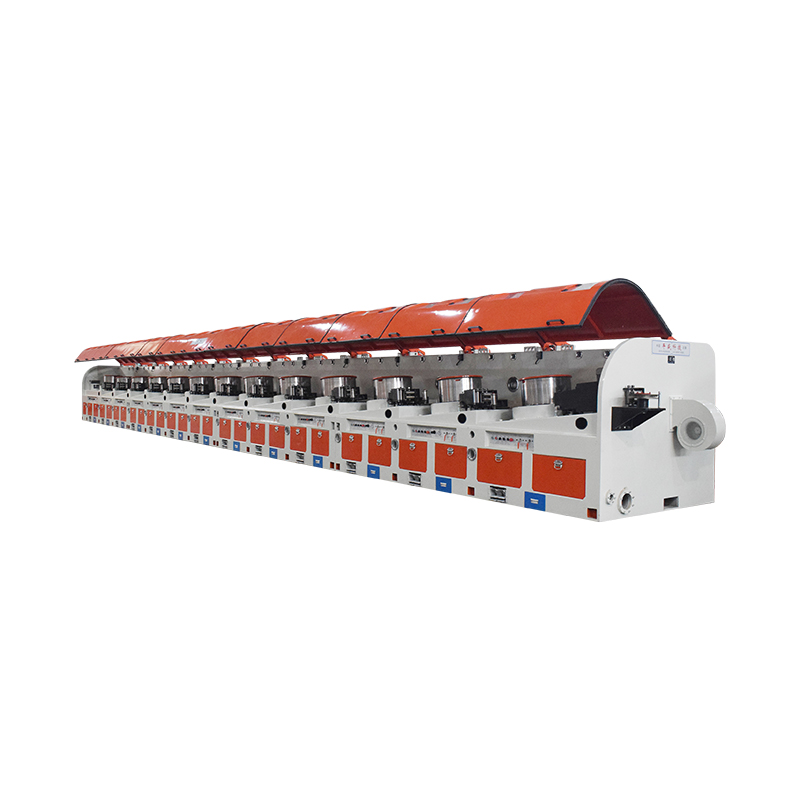
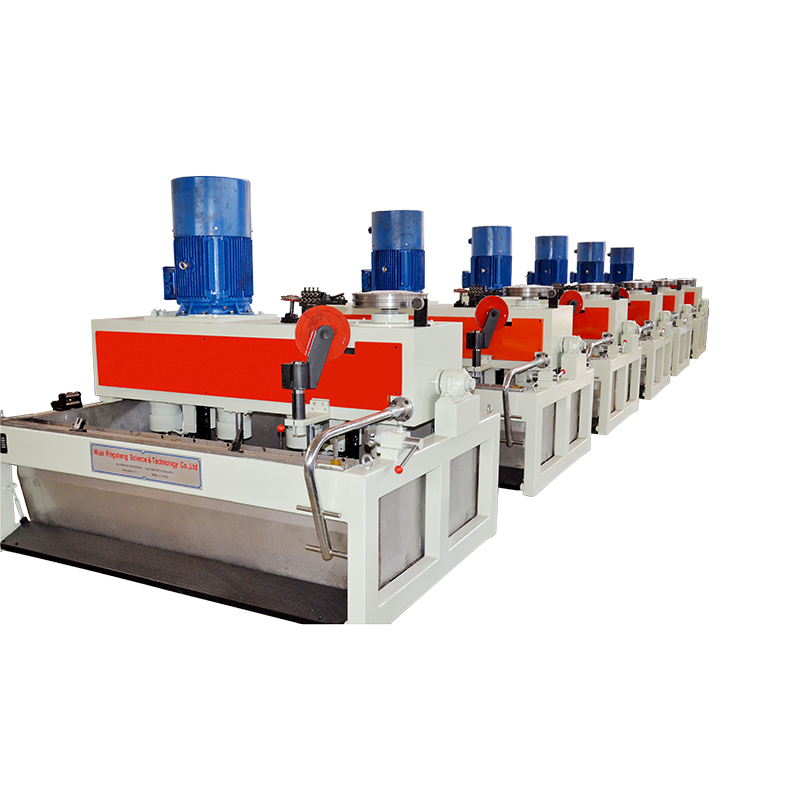
Sa dry wire drawing, ang lubrication ay inilalapat sa solid o powder form sa halip na bilang isang likido. Ang papasok na wire ay dumadaan sa isang lubricant box — isang lalagyan na puno ng dry lubricant, kadalasan ay isang metallic soap powder gaya ng calcium o sodium stearate — kaagad bago ipasok ang die. Habang hinihila ng wire ang lubricant papunta sa die, ang mekanikal na presyo at init sa interface ng die ay nagko-convert sa pulbos sa isang manipis, nakakadikit na film na nagpapababa ng friction sa pagitan ng ibabaw ng wire at ng die wall.
Ang dry drawing ay ang karaniwang proseso para sa medium hanggang large diameter wire, karaniwang mula sa humigit-kumulang 1 mm hanggang sa rod sizes na 10 mm o higit pa depende sa materyal. Ito ay malawakang ginagamit para sa produksyon ng bakal na wire kabilang ang spring wire, wire rope strand, fencing wire, welding wire, at general engineering wire. Gumagana ang proseso sa medyo mas mababang bilis ng pagguhit kumpara sa wet drawing — karaniwang nasa pagitan ng 1 at 30 metro segundo depende sa laki at materyal ng bawat wire — dahil ang dry lubricant film ay nagbibigay ng hindi gaanong mahusay na pag-alis ng init kaysa sa likidong pagpapadulas.
Mga Bentahe ng Dry Drawing
Nag-aalok ng dry drawing ng mas simpleng kagamitan at mas madaling operasyon kaysa sa wet drawing. Ang kawalan ng likidong pagpapadulas ay walang limitasyon na walang sistema ng pagsasala ng pampadulas, walang pamamahala ng coolant, at walang panganib ng kontaminasyon ng pampadulas sa kapaligiran ng trabaho sa anumang fluid mist o spray. Ang pag-setup at pagpapalit sa pagitan ng mga grado o laki ng wire ay medyo diretso. Ang proseso ay mas angkop din sa mga materyales kung saan ang natitirang lubricant sa wire surface ay katanggap-tanggap o kahit na kapaki-pakinabang — halimbawa, phosphate-coated steel wire na inilaan para sa kasunod na tulad ng cold heading o spring coiling, kung saan ang soap lubricant ay nagsisilbing carrier para sa karagdagang in-process na lubrication.
Mga Limitasyon ng Dry Drawing
Ang pangunahing limitasyon ng dry drawing ay hindi ito mahusay na mahawakan ang napakahusay na diameter ng wire. Sa ibaba ng humigit-kumulang 0.5–1 mm, ang dry lubricant film ay nagiging inconsistent sa die interface, na humahantong sa mas mataas na friction, die wear, at wire breakage. Ang pag-alis ng init ay hindi gaanong masama kaysa sa wet drawing dahil walang likidong coolant na sumisipsip at mag-alis ng frictional heat na nabuo sa die. Nililimitahan nito ang bilis ng pagguhit at hindi angkop ang dry drawing para sa pinong produksyon ng wire kung saan ang parehong mataas na katumpakan at mataas na throughput ay kinakailangan.
Ano ang Wet Wire Drawing?
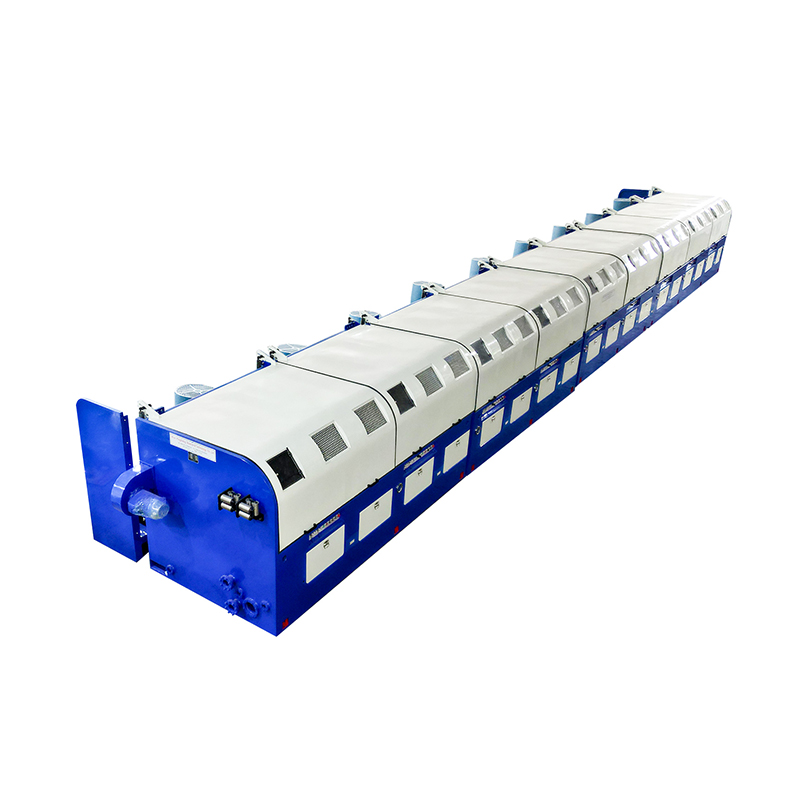
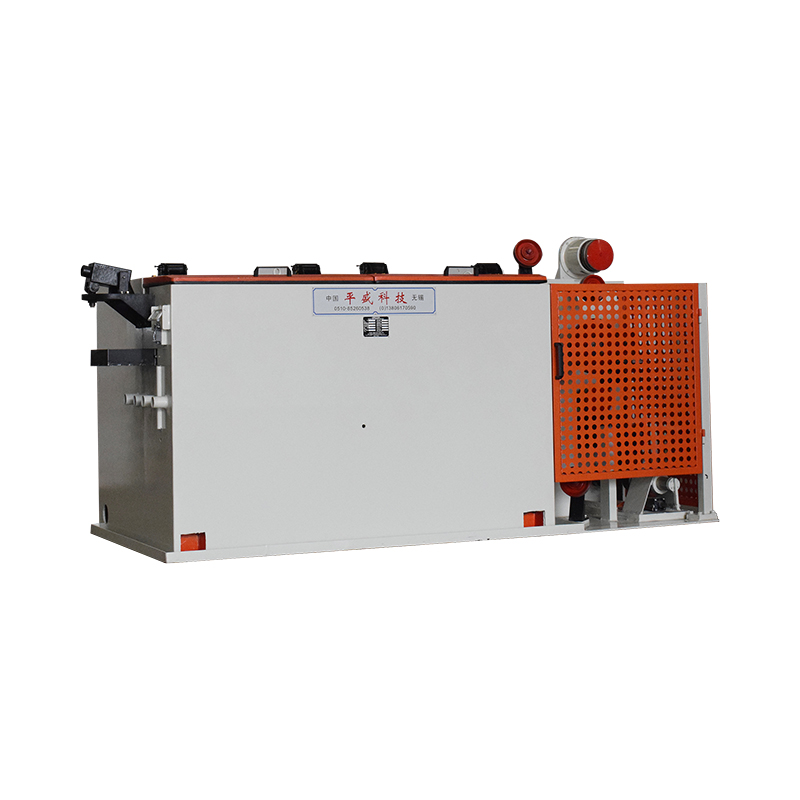
Sa wet wire drawing , ang buong proseso ng pagguhit - wire, dies, capstans, at lahat - ay lumubog sa o patuloy na binabaha ng likidong pampadulas. Ang lubricant ay karaniwang isang emulsion ng tubig at drawing oil, o isang purpose-formulated synthetic lubricant solution, na ipinapaikot sa makina sa kinokontrol na konsentrasyon, temperatura, at pH. Dahil pareho ang wire at ang dies ay ganap na nahuhulog sa lubricant sa buong proseso, ang friction sa die interface ay nababawasan, ang init ay patuloy na inaalis, at ang wire surface ay pinananatiling malinis at malamig sa lahat ng oras.
Ang wet drawing ay ang karaniwang proseso para sa fine at ultra-fine wire production. Pinangangasiwaan nito ang mga diameter ng wire mula sa humigit-kumulang na 0.5 mm pababa hanggang sa mga diameter na sinusukat sa micron - ang pinakamahusay na mga electrical conductor, medical device wire, at instrumentation wire ay ginawa ng eksklusibo sa pamamagitan ng wet drawing. Ang mataas na bilis ng pagguhit, kadalasang lumalagpas sa 30 metro segundo sa mga fine wire machine at umaabot sa mahigit 1,000 metro segundo sa ilang mga ultra-fine application, ay posible dahil ang likidong pampadulas ay nagbibigay ng tuluy-tuloy, lubos na mahusay na pagpapadulas at paglamig nang sabay-sabay.
Mga Bentahe ng Basang Guhit
Ang wet drawing ay napakahusay sa paggawa ng pinong at napakahusay na wire sa mataas na bilis na may mahusay na surface finish at mahigpit na dimensional na kontrol. Ang pare-parehong liquid lubrication film sa die interface ay binabawasan ang friction nang mas pare-pareho kaysa sa dry lubricant powder, na nagreresulta sa mas mababang die wear rate bawat unit ng wire na iginuhit at mas mahusay ang kalidad ng surface sa natapos na wire. Ang tuluy-tuloy na epekto ng paglamig ay nagpatuloy na ang bilis ng pagguhit ay hindi nalilimitahan ng pag-iipon ng init, na ginagawang mas produktibo ang wet drawing kaysa sa dry drawing para sa mga fine wire application. Ang proseso ay mas angkop din sa mga non-ferrous na metal tulad ng tanso at aluminyo, na karaniwang iginuhit sa mga fine gauge para sa mga electrical conductor.
Mga Limitasyon ng Basang Guhit
Ang wet drawing ay nangyayari ng mas kumplikado at mahal na kagamitan kaysa sa dry drawing. Ang lubricant circulation system — kabilang ang mga tank, pump, filtration unit, at temperature control — ay nagdaragdag ng capital cost, mga kinakailangan sa pagpapanatili, at pagiging kumplikado ng pagpapatakbo. Ang pamamahala ng pampadulas ay isang patuloy na responsibilidad: ang konsentrasyon, pH, at mga antas ng kontaminasyon ay dapat subaybayan at kontrolin upang mapanatili ang pare-parehong mga kondisyon sa pagguhit. Ang ginastos na pagtatapon ng pampadulas ay isa ring gastos at pagsasaalang-alang sa kapaligiran na iniiwasan ng dry drawing. Para sa mas malaking diameter na wire, ang gastos at pagiging kumplikado ng wet drawing ay hindi mabibigyang katwiran ng performance benefit, kaya naman nananatiling nangingibabaw ang dry drawing sa mga laki na iyon.
Direktang Paghahambing: Dry vs Wet Wire Drawing
| Salik | Dry Drawing | Wet Drawing |
| Uri ng Lubrication | Tuyong pulbos / sabon | Liquid emulsion / gawa ng tao |
| Saklaw ng Wire Diameter | ~1 mm hanggang 10 mm | ~0.5 mm pababa sa microns |
| Bilis ng Pagguhit | Mas mababa (1–30 m/s karaniwang) | Mas mataas (hanggang sa 1,000 m/s fine wire) |
| Kahusayan sa Paglamig | Limitado | Napakahusay (tuloy-tuloy na paglamig ng likido) |
| Ibabaw ng Tapos | Mabuti; nalalabi ang sabon | Malinis, maliwanag na ang pagtatapos |
| Pagiging Kumplikado ng Kagamitan | Ibaba | Mas mataas (kinakailangan ang lubricant system) |
| Gastos sa pagpapatakbo | Ibaba para sa medium/large wire | Mas mataas (pamamahala ng pampadulas, pagtatapon) |
| Mga Karaniwang Materyales | Bakal, hindi kinakalawang na asero | Copper, aluminyo, pinong bakal |
| Rate ng Pagsuot ng Mamatay | Katamtaman hanggang sa mas mataas | Ibaba (mas mahusay na lubrication film) |
Mga Materyal na Pagsasaalang-alang na Nakakaimpluwensya sa Pagpili
Ang metal na iginuhit ay isa sa pinakamahalagang salik sa pagpili ng proseso. Ang bakal na wire, partikular na ang high-carbon at spring steel grades, ay kadalasang iginuhit na tuyo. Ang phosphate at soap pre-treatment na inilapat sa steel rod bago gumuhit ay lumilikha ng pinagsamang lubricant carrier at lubricant system na gumagana sa mga dry drawing na kondisyon, na gumagawa ng wire na may magandang kalidad sa ibabaw para sa mga mekanikal na aplikasyon. Ang hindi kinakalawang na asero ay nagpapakita ng maraming hamon dahil sa rate ng pagpapatigas ng trabaho nito at mas mababang thermal conductivity, at ang mas pinong mga stainless gauge ay kadalasang nangyayari ng wet drawing na may purpose-formulated lubricants.
Ang mga haluang tanso at tanso ay kadalasang iginuhit na basa, na sumasalamin sa mga pinong gauge na kasangkot sa produksyon ng konduktor ng kuryente at mataas na bilis ng pagguhit na kinakailangan para sa komersyal na posibilidad. Ang aluminum wire para sa mga electrical application ay wet-drawn din sa fine gauge, kahit na ang mas magaspang na aluminum wire na ginagamit sa overhead transmission cable ay maaaring dry-drawn. Ang mga espesyal na gaya ng titanium, nickel alloys, at mahahalagang metal para sa mga medikal o elektronikong aplikasyon ay halos eksklusibong wet-drawn dahil sa mga pinong diameter at surface finish na kinakailangang kinakailangan.
Paano Magpasya kung Aling Proseso ang Tama para sa Iyo
Ang pagpili sa pagitan ng tuyo at basa na pagguhit ay hindi isang puro teknikal na desisyon — sinasalamin din nito ang dami ng produksyon, kapasidad ng pamumuhunan ng kapital, at kung ano ang kailangang gawin ng natapos na wire. Ang mga sumusunod na tanong ay nakakatulong sa pagbalangkas ng desisyon:
- Ano ang iyong target na diameter ng wire? Kung ang natapos na wire ay higit sa humigit-kumulang 1 mm, ang dry drawing ay malamang na angkop at mas cost-effective na proseso. Sa ibaba ng 0.5 mm, ang wet drawing ay ang tanging magagamit na opsyon para sa pare-parehong kalidad at pagpapahusay sa produksyon.
- Anong materyal ang iyong iginuguhit? Bakal at hindi kinakalawang na asero sa medium hanggang malalaking gauge default sa dry drawing. Ang tanso, aluminyo, at mga espesyal na metal sa fine gauge ay default sa wet drawing. Kung saan ang materyal ay nakaupo sa hangganan, ang surface finish at mga kinakailangan sa ibaba sa ibaba ng agos ay tutukuyin ang mas mahusay na pagpipilian.
- Anong surface finish ang kailangan ng application? Kung ang natapos na wire ay dapat na maliwanag, malinis, at walang nalalabi na pampadulas — halimbawa, para sa mga hubad na konduktor na tanso, medikal na wire, o pinong wire ng instrumento — kinakailangan ang wet drawing. Kung ang isang ibabaw na pinahiran ng sabon ay katanggap-tanggap o kapaki-pakinabang para sa kasunod na antas, ang dry drawing ay sapat.
- Anong bilis ng pagguhit at throughput ang kailangan mo? Ang mataas na dami ng pinong wire na produksyon ay mataas na bilis na tanging wet drawing lang ang makakapagpapanatili. Ang medium-volume na produksyon ng mas mabibigat na gauge wire sa isang mas simpleng gastos ay maaaring maging mas produktibo kapag ang lahat ng kagamitan at sa pagpapanatili ay isinaalang-alang.
- Ano ang iyong mga hadlang sa kapital at gastos sa pagpapatakbo? Ang dry drawing ay nangyayari ng hindi gaanong kumplikadong kagamitan at mas mababang gastos sa pamamahala ng pampadulas. Ang wet drawing ay nangyayari ng mas mataas na paunang puhunan at tuluy-tuloy na pamamahala ng lubricant system, ngunit naghahatid ng pagganap na kinakailangan para sa fine wire na hindi maaaring gawin sa anumang iba pang paraan.
Sa pagsasanay, maraming mga tagagawa ng wire ang nagpapatakbo ng parehong tuyo at basa na mga linya ng pagguhit, gamit ang bawat isa para sa mga laki at materyales ng wire kung saan ito gumaganap nang pinakamahusay. Ang pagpili sa huli ay tinutukoy ng kumbinasyon ng diameter ng wire, materyal, kinakailangang ibabaw na tapusin, mga target na bilis ng produksyon, at ang ekonomiya ng partikular na produkto na ginagawa. Ang pagkuha ng desisyong ito nang tama sa yugto ng pagpaplano ng proseso — sa halip na i-retrofitting ang maling proseso pagkatapos na lumitaw ang mga problema sa produksyon — kung saan nakasalalay ang tunay na halaga ng pag-unawa sa dalawang pamamaraan.